CryoLetters Volume 47 - Issue 6
CryoLetters 47 (6), 383-393 (2026)
© CryoLetters, editor@cryoletters.org
doi.org/10.54680/fr26610110112
PERSPECTIVE: The role of carbohydrates from mono- to polysaccharides in the preservation of animal sperm
M. I. Sergushkina*, T. V. Polezhaeva, O. O. Zaitseva, O. N. Solomina and A. N. Khudyakov
- Institute of Physiology of Komi Science Centre of the Ural Branch of the Russian Academy of Sciences, FRC Komi SC UB RAS, Syktyvkar, 167982, Russia.
*Corresponding author’s E-mail: mara.kovalkova@mail.ru
Abstract
Background
The rapid anthropogenic deprivation of biodiversity and challenges of intensive selection in animal husbandry require the development of reliable methods for the long-term preservation of genetic material. Sperm cryopreservation is a key technology, but traditional cryoprotectants are cytotoxic, necessitating the search for new, safe, and effective solutions.
Objective
The purpose of this review is to systematize scientific data on the role and mechanisms of action of saccharides as cryoprotectants for sperm, as well as to analyze the prospects for the development of new effective and biocompatible cryopreservation media.
Materials and methods
We conducted a comprehensive review of the existing literature devoted to the study of the effect of mono-, di-, oligo- and polysaccharides on the survival of spermatozoa of various animal species after cryopreservation.
Results
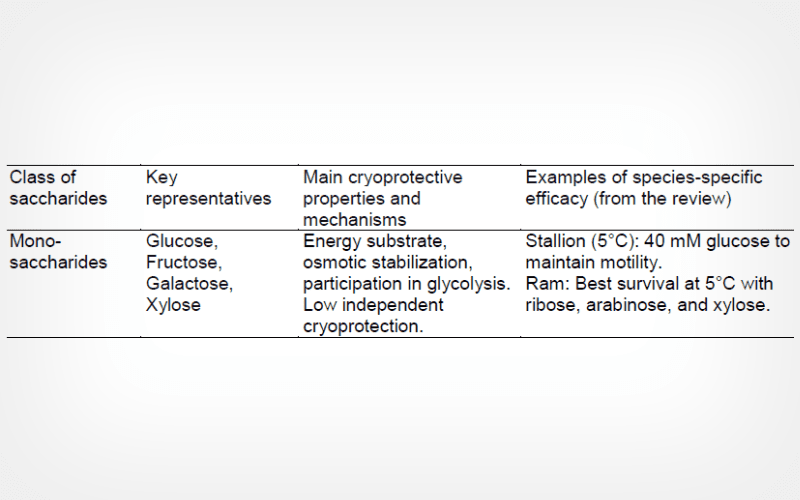
An analysis of the literature revealed that the cryoprotective effectiveness of saccharides increases consistently with the increase in the complexity of their molecular structure. Key parameters determining the effect of saccharides include the type of glycosidic bond, hydration number, and conformational flexibility. Among disaccharides, trehalose and sucrose are particularly noteworthy, demonstrating high efficacy for various species. The greatest multifunctional potential, combining membrane-stabilizing, antioxidant, and ice crystallization-inhibiting properties, has been identified in natural polysaccharides (fungi, algae, plants).
Conclusion
Carbohydrates are the basis for creating new generation cryoprotective media. The development of composite media based on these will help solve problems both in genetic resource banks for biodiversity conservation and in practical breeding under simplified, resource-saving storage protocols.
Keywords: cryodamage; cryopreventive agents; saccharides; sperm cryopreservation.
CryoLetters 47 (6), 394-404 (2026)
© CryoLetters, editor@cryoletters.org
doi.org/10.54680/fr26610110312
Post thaw quality after combining programmable and non-programmable cooling and freezing protocols in goat buck sperm – implications for genebank efficiency
Ma Lorena Mocé1,4, Cristhian Sagbay2,3, Inés-Carolina Esteve2,4, Amparo Martínez-Talaván2,4, Ernesto A. Gómez2,4 and Eva Mocé2,4*
- Department of Animal Production and Health, Public Veterinary Health and Food Science and Technology (PASAPTA), Facultad de Veterinaria, Universidad Cardenal Herrera-CEU Universities, Alfara del Patriarca, Valencia, Spain.
- Centro de Investigación y Tecnología Animal (CITA), Instituto Valenciano de Investigaciones Agrarias (IVIA), Segorbe, Castellón, Spain.
- Institut de Ciència i Tecnologia Animal, Universitat Politècnica de València, Camí de Vera s/n, Valencia, Spain.
- Unidad Asociada PASAPTA-CEU Universities – CITA-IVIA, Valencia, Spain.
*Corresponding author’s E-mail: moce_eva@gva.es
Abstract
Background
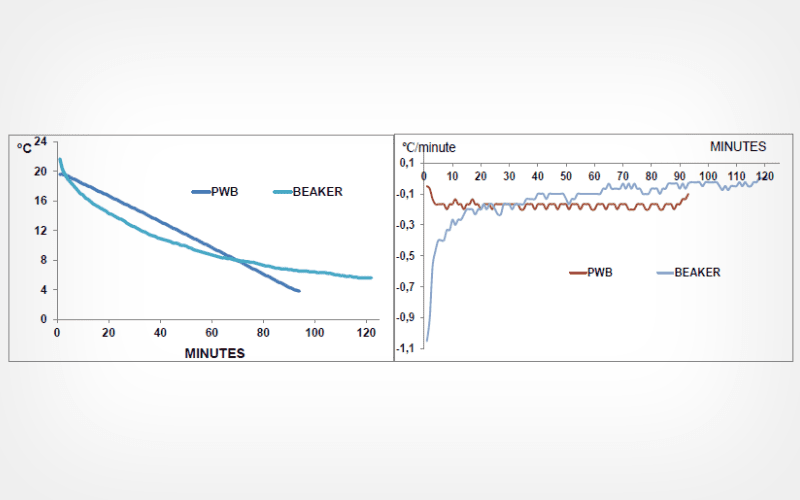
Semen banks preserve genetic diversity and support breeding programs, while facilitating artificial insemination by overcoming temporal and spatial constraints. Cryopreservation can be performed using programmable equipment (programmable water bath, PWB; programmable freezer, PF) or low-cost alternatives such as water-filled beakers (B) and polystyrene boxes (PB), although comparative performance remains unclear.
Objective
We evaluated the impact of different cooling and freezing combinations on the in vitro quality of frozen-thawed sperm from Murciano-Granadina goat bucks.
Materials and methods
Fourteen ejaculates (seven males) were divided into four aliquots and processed using PWB-PF, PWB-PB, B-PF, and B-PB protocols. Sperm quality was assessed at fresh, post-cooling (4°C), and post-thaw stages. Motility (analyzed with computer-assisted semen analysis), and acrosome status, membrane integrity and mitochondrial function (with flow cytometry) were evaluated.
Results
Sperm tolerated a wide range of freezing conditions. Post-thaw quality was comparable across protocols, with no significant differences in motility between cooling methods (61% PWB vs. 62% B) or freezing systems (62% PF vs. 61% PB), and no interaction effects detected. Operational differences were notable: programmable systems require high capital investment (~€5,900 PWB; ~€55,300 PF), whereas simple methods cost <€20. Although per-run freezing time was similar (7–8 vs. 10 min), PF processed up to 350 straws simultaneously, while PB handled one rack at a time, reducing throughput and increasing cumulative handling time under large-scale conditions.
Conclusion
All protocols proved equally effective biologically. However, protocol selection should consider cost, scale and infrastructure, as these factors determine the efficiency and sustainability of genebanking systems.
Keywords: caprine; chilling; cryopreservation; freezing; refrigeration; semen.
CryoLetters 47 (6), 405-413 (2026)
© CryoLetters, editor@cryoletters.org
doi.org/10.54680/fr26610110612
Cryopreservation of Picrorhiza kurroa: long-term conservation approach using vitrification and droplet-vitrification
Subhash Chander1*, Ravi Gowthami2*, Jadhav Sonali Ravsaheb3, Kamble Payal Ganesh3, Anju Mahendru-Singh1 and Gyanendra Pratap Singh1
- Division of Germplasm Conservation, ICAR-National Bureau of Plant Genetic Resources, New Delhi, 110 012, India.
- ICAR- National Bureau of Plant Genetic Resources Regional Station, Hyderabad, Telangana, 500 030, India.
- V.G. Shivdare College of Arts, Commerce and Science, Solapur, Maharashtra, 413 004, India.
*Corresponding authors’ E-mail: singhariya43@gmail.com and gowthamir111@gmail.com
Abstract
Background
Picrorhiza kurroa Royle ex Benth. is an important medicinal plant found in restricted habitats of alpine regions of India from Kashmir to Sikkim. Due to its wide range of uses, its rhizomes/roots have been indiscriminately harvested from natural habitats, resulting in it becoming endangered in India. Therefore, its long-term conservation is indispensable.
Objective
To develop a reliable droplet-vitrification protocol for the cryopreservation of P. kurroa shoot tips.
Materials and methods
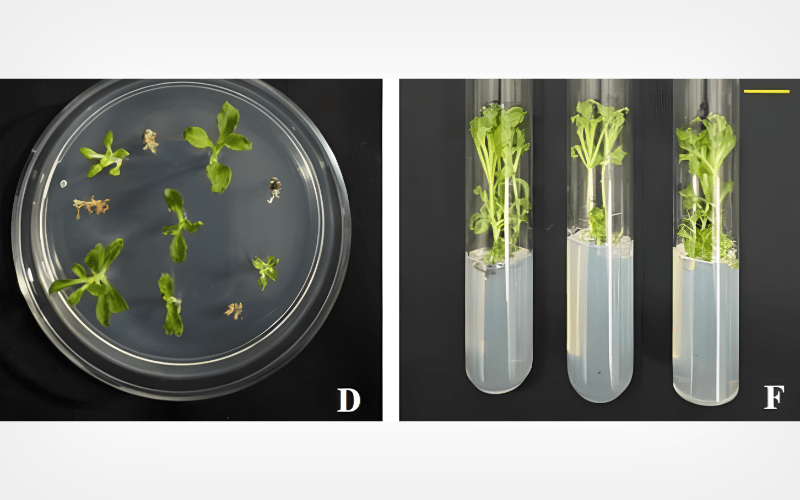
Different parameters were evaluated using the droplet-vitrification technique, such as (a) cold-hardening of cultures at 4°C in the dark; (b) applying Plant Vitrification Solution 2 (PVS2) for 0-35 min; and (c) using different regrowth medium combinations, such as multiplication media (MM) (MS + 100 mg/L myo-inositol + 3% sucrose + 0.8% agar + 0.2 mg/L BAP), RM1 (MM medium supplemented with 0.3 mg/L GA3), RM2 (MM medium supplemented with 0.4 mg/L GA3) and RM3 (MM medium supplemented with 2.2 mg/L ascorbic acid).
Results
Regrowth of 36% was obtained with the conventional vitrification technique. In contrast, the highest post-cryopreservation regrowth (56 %) was achieved with shoot tips excised from 8 week-old in vitro cultures [4 weeks under standard culture conditions (SCC)], cold-hardened for 4 weeks at 4°C in the dark, precultured on MS medium supplemented with 5% dimethyl sulfoxide (DMSO) for 2 d, dehydrated with PVS2 for 20 min at 0°C, cryopreserved using droplet-vitrification, and regrown on RM1 medium.
Conclusion
This study presents the first successful use of droplet-vitrification for cryopreservation of P. kurroa shoot tips.
Keywords: dimethyl sulfoxide; droplet-vitrification; endangered plant species; PVS2 dehydration; Picrorhiza kurroa; preculture.
CryoLetters 47 (6), 414-424 (2026)
© CryoLetters, editor@cryoletters.org
doi.org/10.54680/fr26610110712
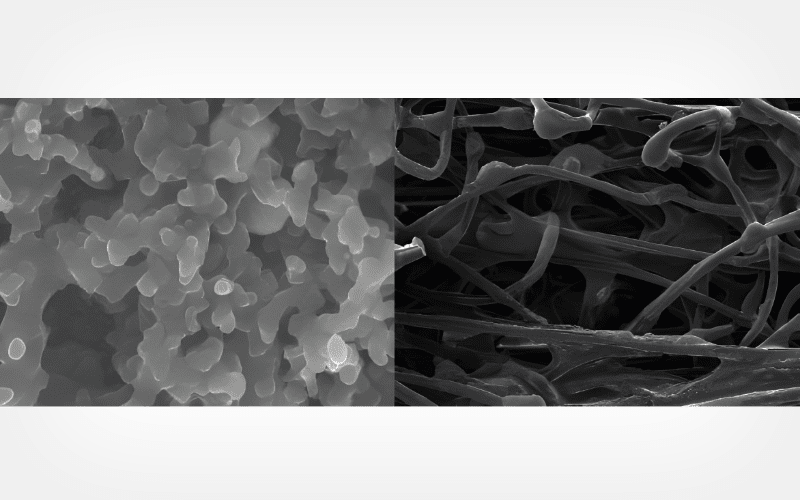
Superhydrophobic soot coatings-regulated cryostorage of human ejaculate enables equal post-thaw sperm survival independent of the freezing rate
Karekin D. Esmeryan1* and Todor A. Chaushev2
- Acoustoelectronics Laboratory, Georgi Nadjakov Institute of Solid State Physics, Bulgarian Academy of Sciences, 72, Tzarigradsko Chaussee Blvd., 1784 Sofia, Bulgaria.
- Specialized Surgical Hospital “Doctor Malinov”, 46, Gotse Delchev blvd., 1860 Sofia, Bulgaria.
*Corresponding author’s E-mail: karekin_esmerian@abv.bg
Abstract
Background
In-vitro fertilization is a powerful technology contributing to the successful reproduction of the human race with over 13 million infants born since its launch in 1978. Yet, the pregnancy rate of this technique, when the underlying cause is male infertility, is low and reaches 10–45% per first attempt. It is often the case that embryologists utilize cryopreserved spermatozoa with declined post-thaw functionality due to multiple morphochemical alterations in semen inflicted by the freezing process. However, the era of molecular engineering provides measures to prevent cryodamage.
Objective
To explore the potential of superhydrophobic carbon soot to alleviate osmotic stress during the cryopreservation protocol.
Results
We reveal groundbreaking findings showing that the extremely water-repellent soot coatings, or the combination of submilliliter ejaculate volumes and hydrophilic interfaces, neutralize the effect of cooling velocity on the vitality and motility of thawed sperm. Hence, identical survival rates and, sometimes, percentage of forward-moving spermatozoa are observed after slow cooling (from +21°C to -196°C for 1200 s) or flash freezing (from +21°C to -196°C for ~4–20 s).
Conclusion
The non-wettable soot functions as a thermal barrier managing the heat flux to compensate the dehydration of male gametes, while larger liquid volumes widen the inter-ice crystal distances, favoring cell recovery. Such an unexpected outcome reinforces the potential for developing standardized and methodology-independent techniques for sperm cryostorage, marking a crucial milestone in research conducted by the scientific community since the 1970s.
Keywords: cryoprotectant-free cryopreservation; human semen; instant freezing; soot.
CryoLetters 47 (6), 425-432 (2026)
© CryoLetters, editor@cryoletters.org
doi.org/10.54680/fr26610110212
Molecular docking–guided design and experimental validation of antifreeze protein–gelatin hydrogels for cryogenic biomedical applications
Helia Hajihassani1, Mojgan Latifi1, Foroozan Jalali Bidgoli1, Parmis Barazesh1, Romina Hajihassani2, Aryana Hossein Khani3, Niki Najar Najafi1, Homa Zarrabizadeh1, Tina Rassaie1 and Seyedeh Batool Hassani1*
- Faculty of Life Sciences and Biotechnology, Shahid Beheshti University, Tehran, Iran.
- Faculties of Biological Sciences, University of Tehran, Tehran, Iran.
- Faculties of Biological Sciences, University of British Columbia, Vancouver, Canada.
*Corresponding author’s E-mail: b_hassani@sbu.ac.ir
Abstract
Background
Hydrogels are widely applied in biomedical and engineering fields due to their biocompatibility and flexibility. However, their mechanical instability at cryogenic temperatures limits broader adoption.
Objective
This research presents a computational and experimental framework that integrates winter-rye antifreeze proteins (WRAPs) with a gelatin matrix to address the challenge of mechanical instability at freezing temperatures.
Materials and methods
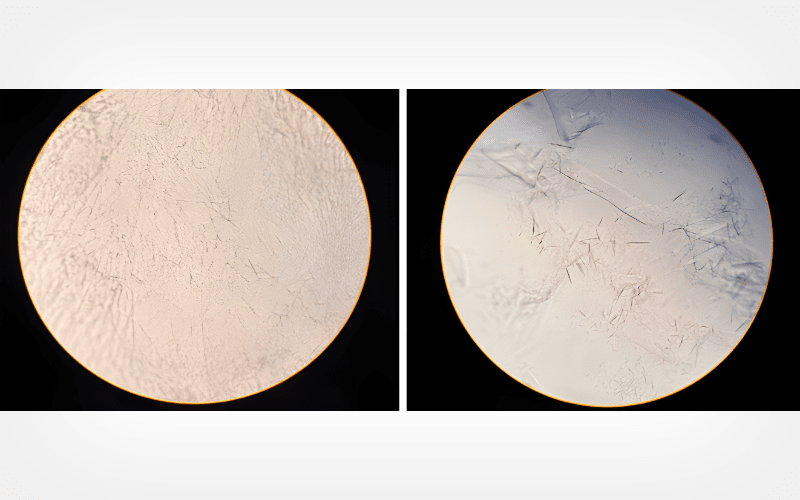
The study utilized a comprehensive approach combining bioinformatics, molecular docking and optical microscopy to analyze the integration and structural motifs critical for gel stabilization.
Results
Molecular docking simulations demonstrated that the β-helix motifs of WRAPs stabilize gelatin networks through specific hydrogen-bonding interactions. Furthermore, the WRAP-gelatin hydrogels significantly reduced ice crystal size compared to the controls.
Conclusion
The ability to reduce ice crystal size decreases the reliance on high concentrations of cryoprotectants. The findings highlight WRAP-integrated hydrogels as promising antifreeze matrices for cryogenic biomedical applications.
Keywords: cryogenic hydrogels; cryoprotective biomaterials; molecular docking; ice crystal inhibition; winter rye antifreeze proteins (WRAPs).
CryoLetters 47 (6), 433-443 (2026)
© CryoLetters, editor@cryoletters.org
doi.org/10.54680/fr26610110412
Glycerol-based ice-free subzero preservation extends viable skin storage by suppressing multiple regulated cell death pathways
Qian Wang, Shenqiang Qiu Linjiang Wang, Liwen Hao* and Zengtao Wang*
- Department of Hand, Foot and Micro Reconstruction Surgery, Provincial Hospital Affiliated to Shandong First Medical University, No. 324, Jingwu Weiqi Road, Jinan, 250000, China.
*Corresponding authors’ E-mail: wzt@sdu.edu.cn and haoliwen@sina.com
Abstract
Background
The storage duration of viable skin grafts is limited by progressive tissue injury during conventional hypothermic preservation. Ice-free subzero preservation may extend tissue viability while avoiding freezing-induced damage.
Objective
To establish a glycerol-based ice-free preservation strategy for skin at −5°C and evaluate its protective effects on tissue integrity, regulated cell death, and regenerative capacity.
Materials and methods
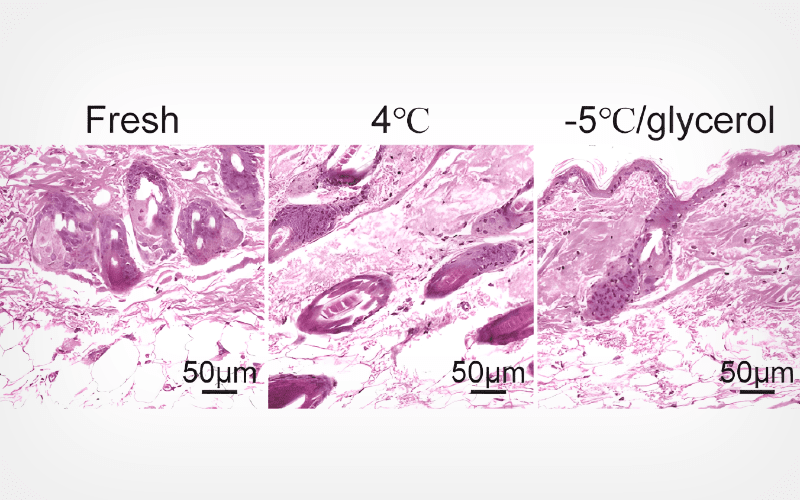
Full-thickness mouse skin was preserved for 7 days under four conditions: fresh control, 4°C, −5°C with 20% glycerol, or −5°C with 10% dimethyl sulfoxide (DMSO). Tissue morphology was assessed by histology and transmission electron microscopy. Apoptosis was analyzed using an apoptosis PCR array and Annexin V/propidium iodide flow cytometry. Organelle stress and regulated cell death markers were evaluated by immunofluorescence. Preserved skin was orthotopically transplanted to assess regenerative capacity.
Results
Preservation in 20% glycerol at −5°C markedly improved tissue architecture and mitochondrial ultrastructure compared with conventional 4°C storage. Glycerol significantly reduced apoptosis, decreasing both apoptosis-related gene activation and apoptotic cell death relative to the 4°C and DMSO groups. It also attenuated endoplasmic reticulum, mitochondrial, and lysosomal stress while preserving GPX4 and reducing FDX1 and GSDMD expression. Following transplantation, glycerol-preserved skin maintained normal tissue architecture, reduced collagen deposition, and preserved physiological CD34 and VEGF expression, indicating superior regenerative capacity.
Conclusion
Ice-free preservation using 20% glycerol at −5°C extends viable skin preservation from 3 to 7 days by preserving tissue integrity and suppressing multiple regulated cell death pathways, providing a simple and clinically translatable strategy for skin banking and reconstructive surgery.
Keywords: ice-free preservation; glycerol; skin graft; regulated cell death; subzero preservation.